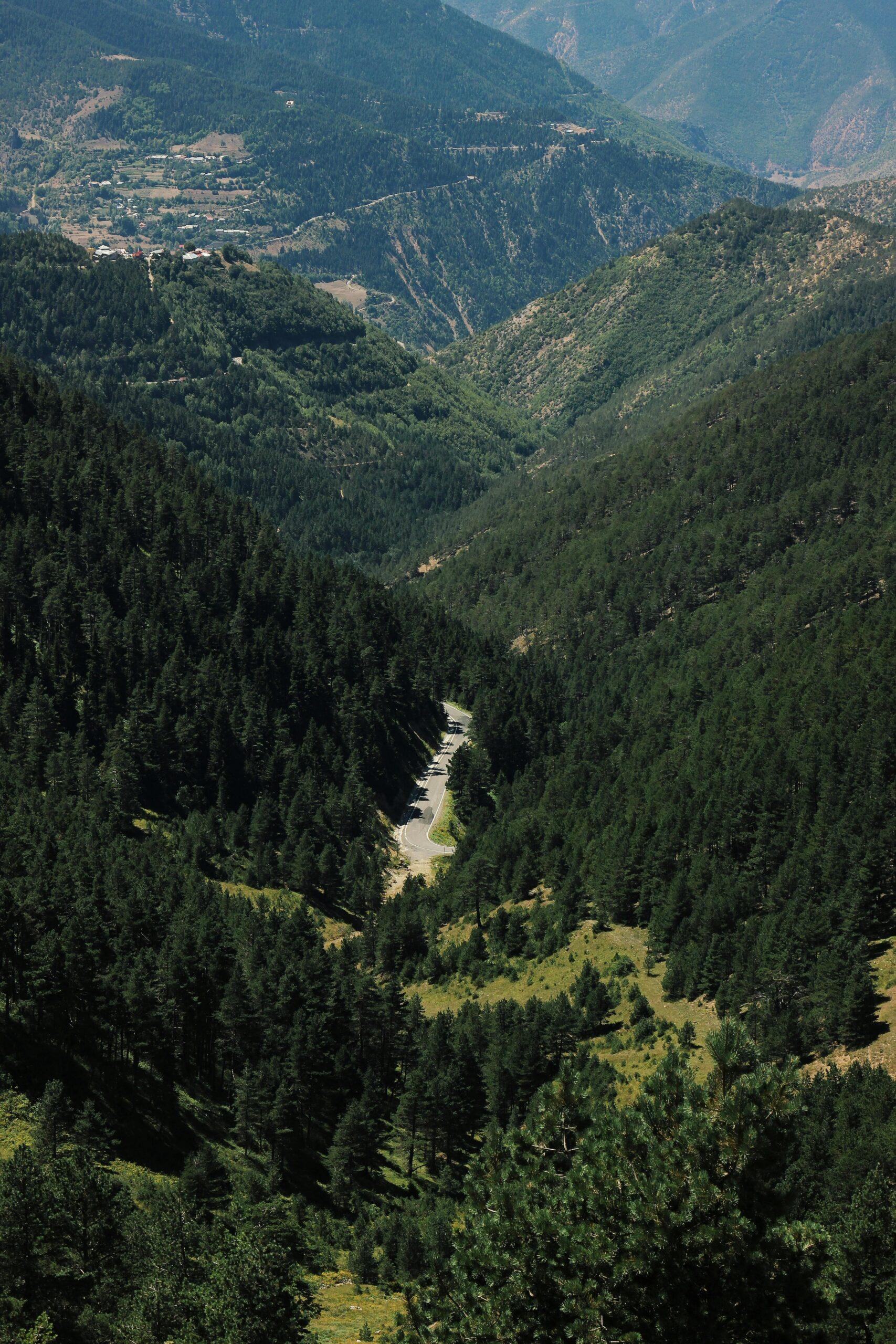
The Amazon Rainforest and its importance to the world’s climate
The Amazon Rainforest is considered to be the largest single tropical rainforest on earth, most of it is located in Brazil, but it also reaches into neighboring countries. Climate observers have long been advocating for the preservation of the Rainforest mainly for the environmental and biological purposes it serves. It’s a vast and important area that provides the habitats or ecosystems that facilitate a vibrant biodiversity, such as a large variety of trees, plants, animals, insects and other living things, that in one way or another, support human existence.
There are at least three more important reasons to preserve the Amazon Rainforest. First, humans have a moral obligation to protect, to the best of our ability, the existence of other living things for future generations. Second, the Amazon rainforest is a fertile environment for humans to do research on other living things, in our quest to provide better heatlhcare and quality of life for ourselves. Third, trees and plants absorb a great amount of carbon dioxide from the atmosphere, because of this, the Amazon and the other Rainforests of the world are considered to be essential ‘carbon sinks’. According to the Paris Agreement carbon sinks play an essential role in the fight against climate change.
An article by Ballardbrief.byu.edu makes two eye-opening claims. First, it says that the Amazon Rainforest represents “one third of the world’s remaining tropical rainforests,” and “annually, the world as a whole emits 40 billion tons of Co2 (carbon Dioxide) into the air, 2 billion tons of which is absorbed by the Amazon rainforest.” Both showing why the importance of the Amazon Rainforest to the planet, cannot be overstated.
Despite its importance, the Amazon rainforest is under threat from deforestation. Reasons for this, according to the above article, are intrusions like cattle ranching, building of dams, roadways, illegal lumber harvesting and farming. All of which necessitate the cutting of trees and the clearing of land and ecosystems destruction. The article says “cattle ranching is the biggest single cause of deforestation in the Amazon rainforest, accounting for about 80% of the Amazon’s deforestation as forests are cleared for farmers to raise herds of cattle, primarily for exporting beef. The Brazilian Amazon is home to about 200 million head of cattle and is the largest exporter of cattle products in the world, supplying a quarter of the cattle products in the global market.”
Due to the abundance of water supply, primarily from the renowned Amazon River, Brazil has built several dams in the Amazon Rainforest, mainly for electricity generation. Ballardbrief.byu.edu tells us that the Tucurui Dam “is the largest dam ever built in a tropical rainforest…its reservoir displaced 40, 000 people and flooded 2875 Square Kilometers of forest,” were two consequences of its construction.
Ballardbrief.byu.edu states that lumber harvesting and farming are two other activities that contribute to deforestation in the rainforest and it reminds us that all the deforestation activities mentioned here, require the building of roads and highways for access, which adds to the further clearing of trees and ecosystems destruction.
According to the article, laws are passed by the government to regulate land use in the Amazon and to preserve the Rainforest and there are non-governmental organizations that work with the government and the indigenous dwellers, to thwart deforestation activities from intruders, but success is marginal, at best, and the threat to the Rainforest continues..
————————————————————————————-
