The world’s youth and climate change activism
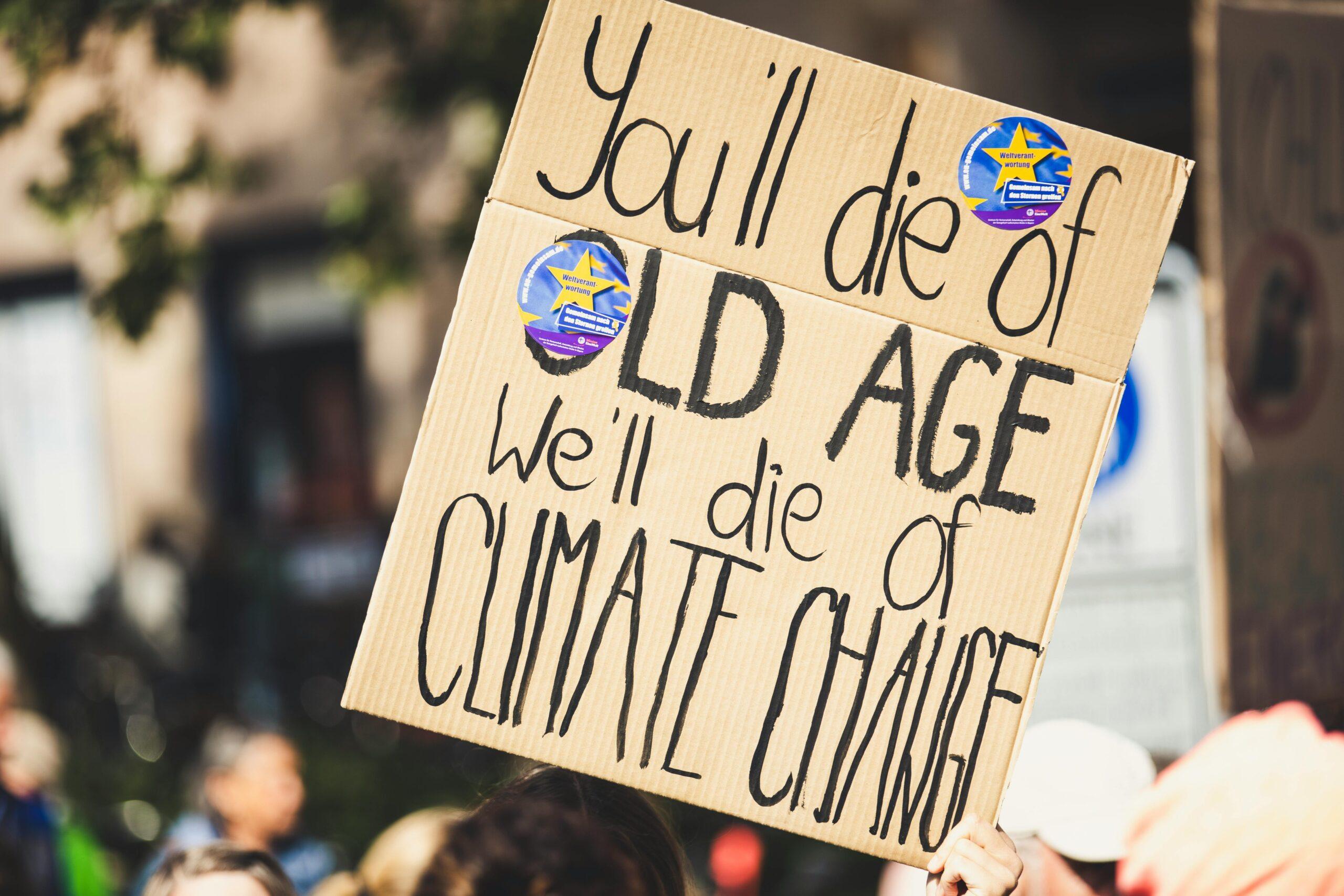
The world’s young people, by their activism, are playing one of the most important roles in fostering global climate awareness as well as pushing governments and societies to be more responsive to climate change issues. Many organizations, national and international, have been formed and operated by young people to facilitate the climate cause. For example, young people in the United States, according to Prismreports.org, have been taking the government to court to compel them to adopt legislation to address climate change. Even though, as the United Nations Children’s Fund (UNICEF) reveals, in some places, like Uruguay, young people have been given real participatory roles in climate legislations formulation, a sign that young people are starting to be taken seriously, not everywhere, but in some countries.
A publication by the International Fund for Animal Welfare (IFAW), assesses how the youth of the world can contribute further to combat the climate crisis. It claims that analyses of climate solutions are usually focused on “corporations, governments, and stakeholders who can provide the necessary finance and influence policy decisions,” with much less emphasis on young people, even though they have the capacity to contribute positively in diverse ways. It argues that youth usually have fresh perspectives based on the newness of their generation and because they have the most to lose from the standpoint of longevity, they are more likely to approach solutions from a long-term perspective. IFAW also argues that in the climate change space, the youth demonstrate a great degree of enthusiasm “and hold a strong passion for wildlife and environmental issues, especially as climate change and biodiversity loss threaten their futures.”
IFAW contends that climate awareness campaigns benefit from the youth’s dominance of social media, which is significant since “many young people are interested in fighting for social justice , which goes hand-in-hand with climate and environmental issues.” The publication cites “Early Uprising, Youth for Nature, and the UN’s Youth Advisory Group” as a few of the the world’s best known and effective youth climate organizations. It also makes mention of the well known ‘Fridays for Future’ youth organization founded by Greta Thunberg in 2018, when she was only 15 years old. It was on a Friday that Greta demonstrated at the parliament in Sweden, demanding the government took action on climate change . Many in the world, especially the youth, were inspired by her courage and commitment to climate causes and since then many similar ‘Friday’ organizations have been formed globally, becoming part of the coordination and internationalization of youth climate activism.
The United Nations Youth Advisory Group is a group of young people, formed for the first time in 2020, by the Secretary General to advise him on global climate issues. As the United Nations (UN) describes it in UN.org, “the UN Secretary-General’s Youth Advisory Group on Climate Change provides him with practical, outcome-oriented advice and diverse perspectives from the global youth climate movement to drive action on his climate policy objectives.” That the Secretary General sees it necessary to put together a group of young people to act as climate counsellors, is testament to the depth of the climate commitment, knowledge and expertise the young people of the world have been demonstrating.
The advisory youth group is comprised of 14 individuals, at a time, from different regions of the globe and are 16 to 29 years old. In formulating their advice to the Secretary General, they are expected to consult with prominent youth organizations across the world to solicit inputs. They serve a two year term at which point a new set of individuals is chosen. Individuals for selection are recommended by outside groups in their respective countries and those selected must have held leadership roles in youth climate organizations, or generally demonstrated previous effective involvement in climate change causes.
————————————————————————————-
