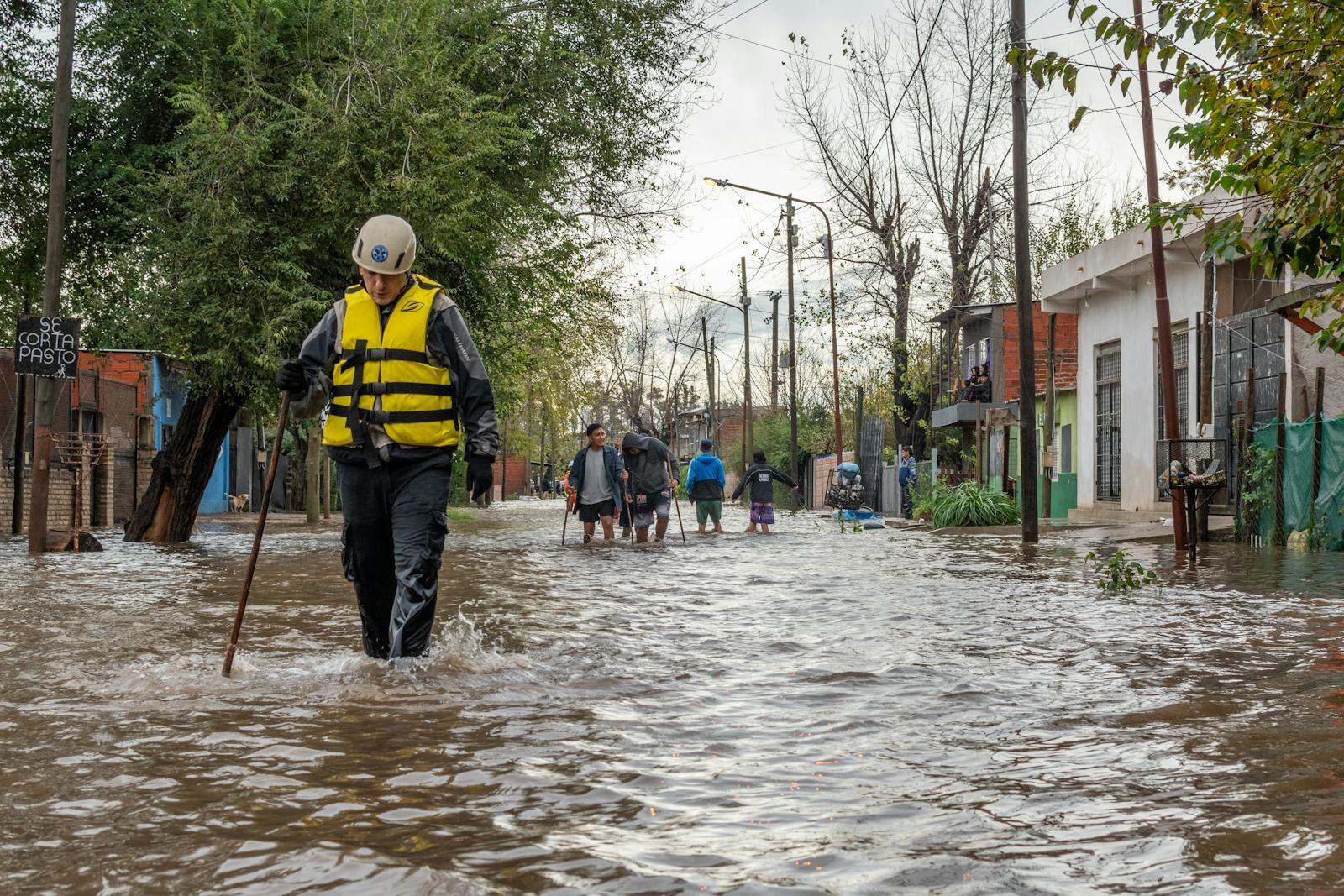
Non- Governmental Organizations (NGOs) and the Private Sector are playing important roles in combating climate change
Apart from the efforts of the United Nations and its member countries, Non-Governmental Organizations (NGOs) and the general Private Sector are playing an outsized role in spreading climate change awareness, lobbying decision makers to enact relevant and appropriate legislations, assisting in the implementation of government climate policies and among other things, leading in the development of climate technology. These private sector activities are all in line with their climate change role envisioned by the Paris Agreement.
The Environmental Defense Fund, Greenpeace and World Wildlife Fund are NGOs that operate in North America and other parts of the world, and are involved in addressing several challenges posed by climate change. Coalition For Our Common Future is a NGO that operates in South Korea and plays a similar role, the Institute For Energy And The Environment (IEMA) that operates in Brazil plays a similar role as well.. Those are just examples, there are probably hundreds of NGOs operation all over the world actively working on behalf of the climate causes.
Giving us some information about itself, the website of the Environmental Defense Fund says “we are a global nonprofit organization tackling climate change — the greatest challenge of our time. Our bold, game-changing solutions put people at the center of all we do,” and that it is “tackling the biggest issues and striving for maximum impact to ensure a clean energy transition, healthy communities and the ability of people and nature to thrive.” The energy transition effort, of course, is geared toward a decrease in societies’ use of fossil fuels, such as oil, gas and coal as energy, which plays a major role in the release of greenhouse gases into the atmosphere. Greenhouse gases are the main driver of climate change. Alternatively, it advocates for the transition to the use of clean renewable energy, from sources like solar, wind and hydropower. According to the website, the organization also works to “reduce flood risks and air pollution”, as well as, “defend environmental protections in the United States”.
In a lot of situations, it’s the NGOs that connect governments, the private sector and their innovations to vulnerable local communities that need assistance the most, around the world. They work closely with and advocate for local communities, which include playing an important role in the climate change space. As Fundsforngos.org claims “the involvement of NGOs in United Nations climate action programs dates back several decades, with roots tracing back to the early environmental movements of the 1970’s.” The text of the Treaty of the United Nations framework Conference on Climate Change (UNFCCC), a conference with major responsibility for organizing and directing the UN’s response to climate change, calls for the participation of civil society in the fighting effort. In article 6 of the text it states that it would utilize , as much as possible, “public participation in addressing climate change and its effects.” Some NGOs are invited to the annual meetings of the UNFCCC and play an important role in policies formulation. These annual meetings are referred to as Conference of the Parties or COP.
The Private Sector is also vital to the implementation of the UN’s climate agenda. As stated by theWorld Economic Forum “the private sector plays a leading role in cross-sector collaboration in two significant ways. First, companies can provide the technologies to make solutions more accessible and affordable to all… second, through their communications expertise, specifically in running campaigns and outreach projects, businesses can lead in boosting public awareness and engagement.” The Private Sector is a huge player in industries like finance, research, production, sales and distribution of electric vehicles, as well as wind and solar energy production, industries which, so far, are responsible for the success already achieved against greenhouse gas emissions
————————————————————————————-