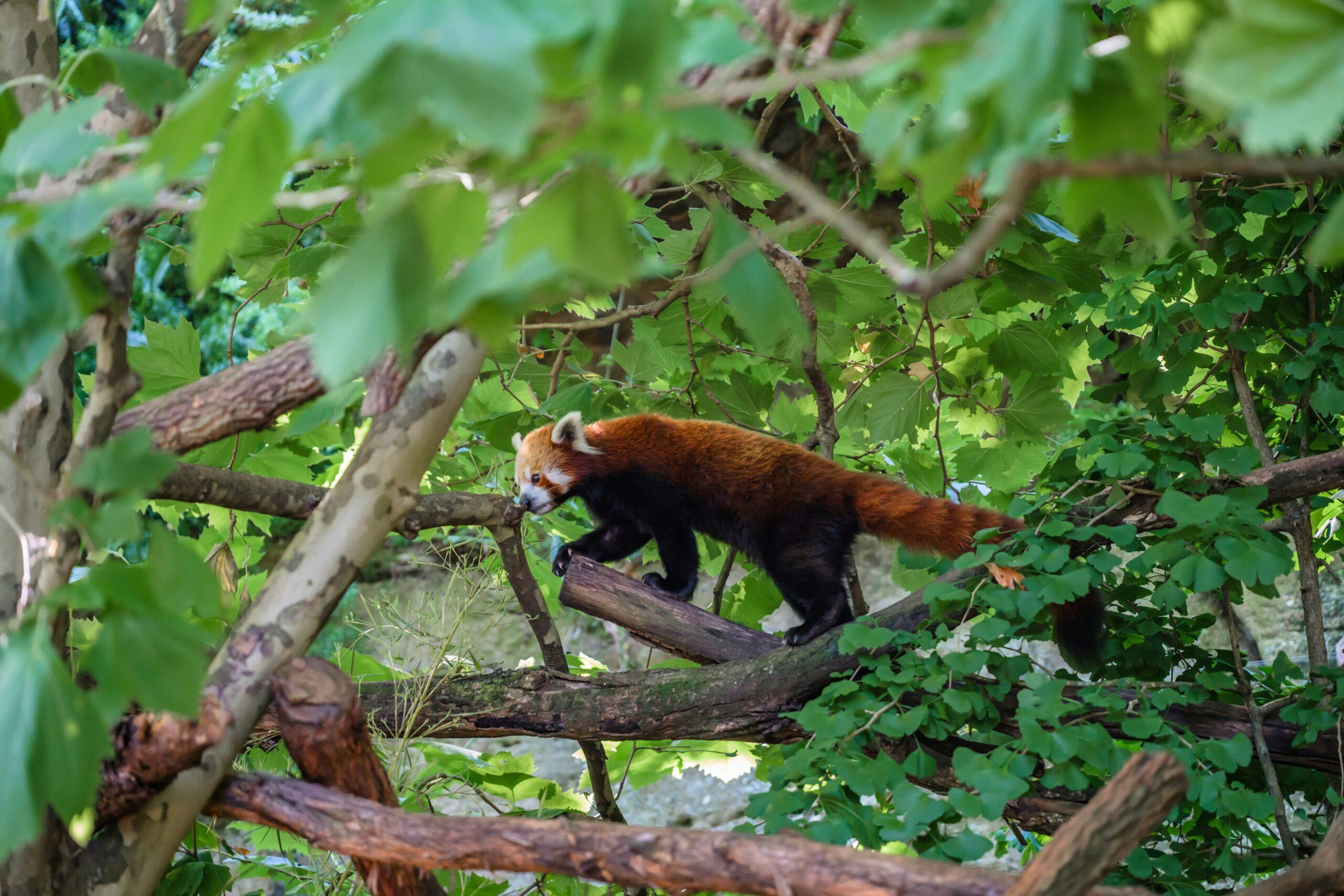
The importance of Biodiversity
In general terms, biodiversity refers to the variety of living things or species that collectively live on, and in largely different forms, share the planet’s space together, for example, plants, insects, birds and animals, including human beings. There are concerns though, that other living things that share the earth with humans are facing extinction, primarily due to activities of us human beings that are changing the planet’s climate.
For example, The college of continuing and professional studies at the University of Minnesota, ccaps.umn.edu, argued in a 2023 article that “biodiversity is on the decline and has been for years” and cited a 2022 report by WWF (World Wildlife Fund), “which indicated an alarming 69 percent decrease in global populations (of mammals, birds, fish, reptiles and amphibians) since 1970.” Also, it cited a report from ‘NatureServe’ which indicates that “40 percent of animals are at risk of extinction – and plant life is not much better off, with one-third of plant species also at risk.” The publication went on to discuss the importance of biodiversity.
It indicated that humanity’s food supply depends on other species like birds and insects to pollinate plants and trees for fruit and vegetable production, it argued that “pollinators play an important and often underestimated role in this equation. As their numbers diminish it will become increasingly difficult to produce the fruits, vegetables and nuts we rely on for sustenance.”
It also argued that animals, plants and trees provide economic and social benefits to humans, “from forestry to agriculture and even medicine, many industries rely on the wealth of plant and animal life to produce both profits and jobs. As biodiversity suffers, however, so do businesses.”
It further stressed that the development of new medicines for human’s health and well being is largely dependent on biodiversity, “the medical profession relies on biodiversity to develop promising new treatments. As this diminishes, so do the raw materials required for effective drug discovery and biotechnology breakthroughs,” and that “40 percent of western drugs are derived from plants that humans have used for centuries…many potential treatments could lie in wait within diverse habitats, but not if we decimate those habitats in the meantime.”
Climate change which is caused by human activity, is having a negative impact on biodiversity and alarmingly, according to the University of Minnesota publication, “many species can only withstand certain climate conditions, and few can adapt quickly enough to keep up with the rapid pace of climate change,”