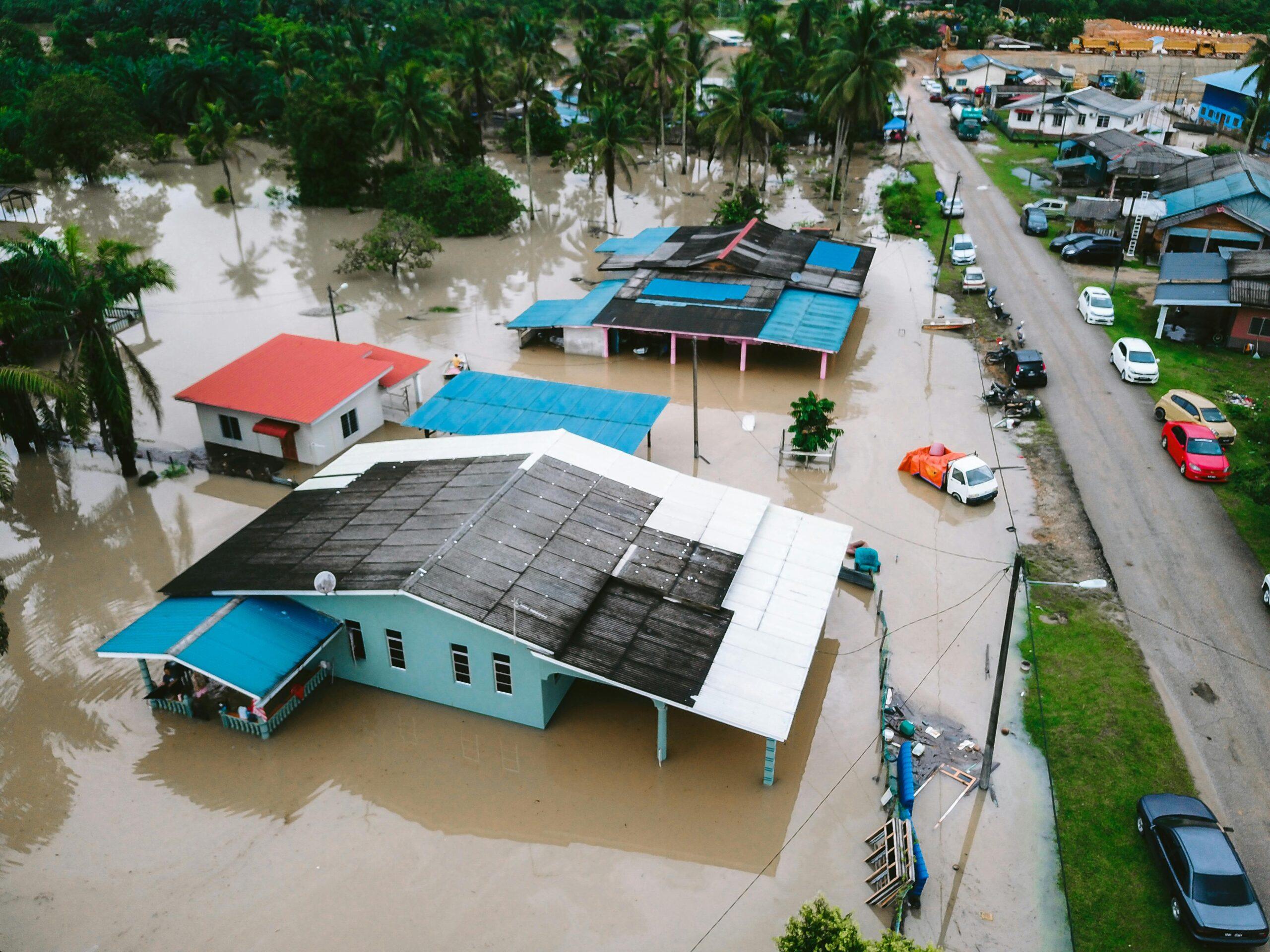
Climate change and home insurance

Home insurance gives confidence to the homeowner that if the house is damaged or destroyed by events outside the homeowner’s control, then the insurer will act to fulfill its obligation in terms of repairs or replacement. Here the Insurance Company’s role is to shield the homeowner from sudden and unbearable costs as well as to protect mortgage lenders, like Banks and private entities, from risks to their investments. In many countries therefore, home insurance is an essential and mandatory aspect of the housing industry in most countries and it is difficult to imagine how a stable industry could effectively function without it.

But the impact of climate change, wildfires, storms, floods and others, are causing insurance companies to refrain from underwriting risks in some countries. In the United States some places like the state of California, known for wildfires, Florida, known for both flood and storms and Louisiana, also known for both flood and storms, are seeing a significant decrease in the services of insurers on homes the insurers consider to be vulnerable to climate disaster. For example, according to bbc.com “in 2022, insurance firm ALLState paused selling new home and condo insurance in California” on the basis that it needed to avoid the prospect of voluminous insurance claims, that could affect the company’s financial stability. Also, according to bbc.com, “in 2023, State Farm, one of the United States’ biggest insurance providers , announced it too would stop selling new home insurance policies in California.” It attributing its exit to the states disaster exposure, and other things. Florida has not escaped the exodus, “in Florida, Farmers Insurance discontinued its own-brand home insurance in the state, joining at least a dozen insurers who had already left.” In some cases the Insurance companies could have increased their underwriting fees and remain doing business in the respective states, but potential claims, they argue, would have been outside their affordability realm.

To fill the void left by the departing insurance companies and in effect potentially saving the housing industry from collapsing, California, Florida and Louisiana state governments have formed public insurance companies called “Fair Plan Insurance,” that are termed in some cases as “insurance of last resort,” according to bbc.com. These insurance policies cost more than those provided by the departed private insurers while insured value of the homes are usually deflated.