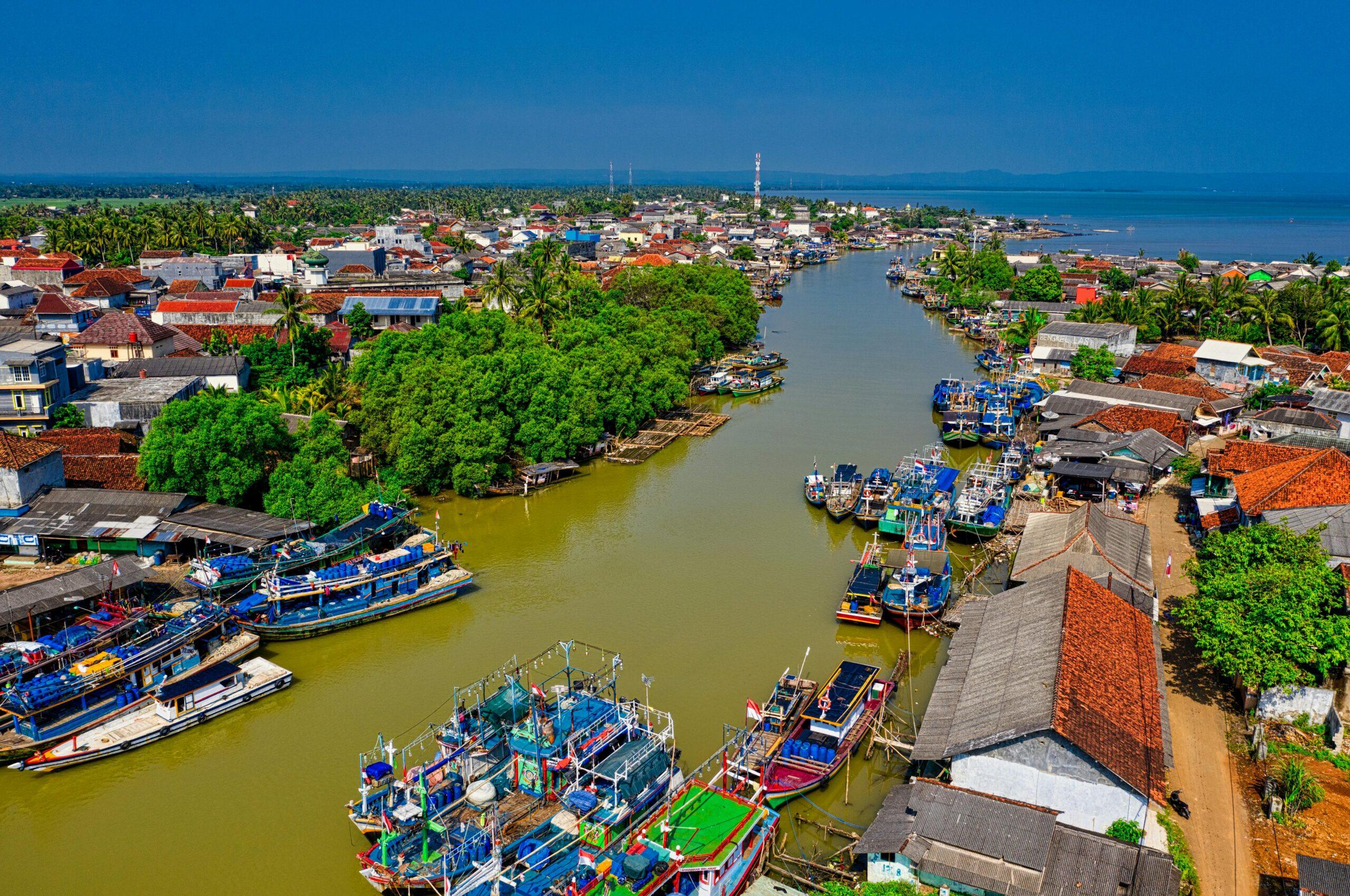
Small Island Developing States are especially vulnerable to climate climate. They emit a small amount of carbon dioxide but suffer the most from climate change
Small Island Developing States are impacted in many ways by the changing climate. They are impacted, for example, by heatwaves, extreme rainfall and floods, rising sea levels and acidification.
Extreme heat causes excess moisture to be absorbed into the atmosphere and this is usually conducive to prolonged rainfalls which floodings as consequences. When they occur, these create havoc to fresh water availability, the local infrastructure, agriculture and the general economy of Small Island nations.
Sea level rise is seen as posing the most severe threat to Small Island Developing States, the threat is considered both urgent and existential, because some of these countries are currently witnessing parts of their territories submerged by the rising Ocean, Tuvalu and Vanuatu, Small Nations in the south pacific are two examples. Most Small Island countries are not wealthy and therefore repair costs due to climate damages, implementation of infrastructure defensive measures, and other things, are usually too expensive to be undertaken alone. Usually therefore and motivated by a shared experience, these countries speak with ‘one voice’ on climate change issues, especially at international conferences. The general argument is that the prolific carbon polluters, which are the wealthy industrialized countries, should immediately take action to mitigate carbon emissions and provide Small Island Developing States with financial assistance, to help implement the necessary climate adaptation programs.
At the United Nations conference in September 2024, news.un.org, some members of a group of Small Island Nations in the South Pacific spoke eloquently and in a common theme, regarding the climate impacts on their countries and the need for the Developed countries to assist. At the conference, the article argues, the Prime Minister of Vanuatu contends that Developed economies were pursuing growth at the expense of the interests of small countries and also addressed the urgency with which developed countries have to act in order to avoid a major climate disaster. The Prime Minister of Papua New Guinea expressed dismay at the seemingly continued embrace of the carbon economy by developed countries, in total disregard for carbon emissions. He also emphasized the urgent need of climate financing from developed countries. The Prime Minister of Tuvalu addressed the issue of sea level rise and the threat of total submersion it poses to his country. The Prime Minister of Samoa spoke of possible food scarcity, water and energy shortages, general economic hardships and citizens relocation in her country, all due to conditions brought on by climate change. The Prime minister of the Lao People’s Democratic Republic brought up the topic of developed countries doing most of the greenhouse gas polluting and the poor island nations suffering most of the resulting consequences. He also called on Developed Countries to provide adaptation funding to small impacted countries. The Prime Minister of Tonga, stated that “decade after decade, year after year, we present to this esteem body the existential threat that climate change poses to the pacific, including Tonga…but this year the situation is even more dire.”
The above leaders’ comments reflect a sheer frustration by Small Island Developing States with what they consider to be the intransigence of Developed Countries, in taking urgent and meaningful actions against greenhouse gas emissions and providing financial assistance to Small Island Developing States, as required by the Paris Agreement.
Given what is seen as the eventual subversion of Tuvalu by the Ocean, the country has signed a treaty with Neighboring Australia, allowing its citizens to migrate to Australia on an incremental basis. As the Carnegie Endowment for International Peace describes it, in a September, 2025 publication, “the Australia–Tuvalu Falepili Union Treaty is the world’s first and only bilateral agreement on climate mobility. This treaty, representing a collective security and sovereignty partnership, establishes a first-of-its-kind mobility pathway for Tuvaluans to obtain Australian permanent residency and, ultimately, citizenship.”
Vanuatu is also seeing it necessary to foster a closer relationship with Australia, also its neighbor. In August, 2025 the BBC.com reports that “Australia and Vanuatu have agreed to a 10-year deal, aimed at strengthening security and economic ties, worth A$500m ($328m; £241m).” The arrangement is called the Nakamal Agreement and as BBC.com further explains, “Millions will also be poured into helping the low-lying island to deal with the impacts of climate change, as well as building up its security.”
Acidification is the process whereby carbon dioxide is absorbed by the sea and then becomes toxic to the coral reefs which are the ecosystems of marine species, among other things. ‘Climate change impacts on the Ocean’ has been discussed separately elsewhere.
——————————————————————————————–