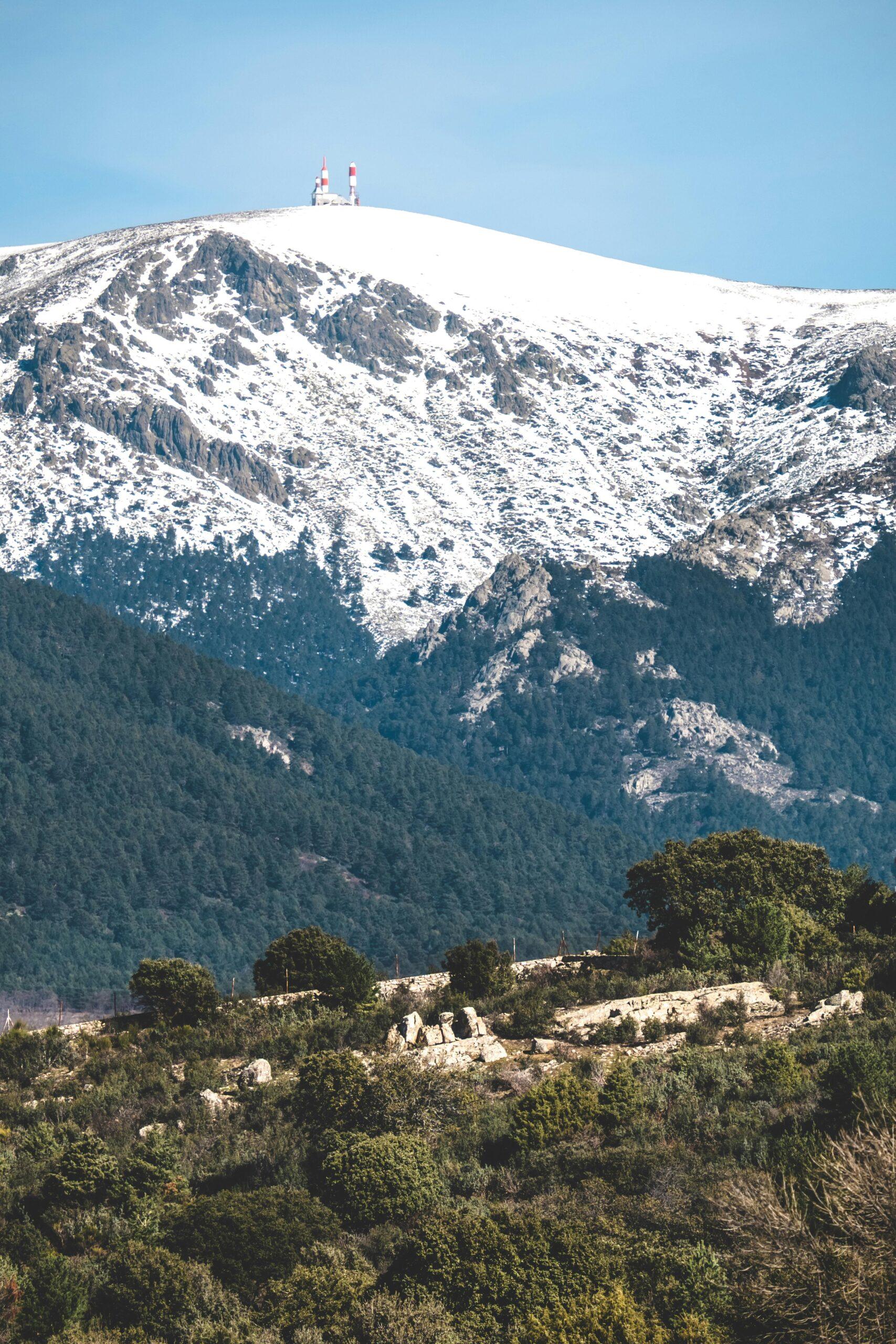
Glaciers and the fresh water they supply are threatened by climate change
The United Nations Educational, Scientific and Cultural Organization (UNESCO) in courier.unesco.org, advised in January, 2025 that “glaciers are melting at an alarming rate. This is anything but good for the planet,” it went on to argue that “it is only through a significant reduction in greenhouse gas emissions that this major issue can be effectively addressed.” UNECSO is asserting that glaciers and ‘ice formations’ like those in Greenland, Antarctica and the Mountains of Switzerland are not only under threat of quick extinction but are melting at an unprecedented rate, for example, the Swiss glaciers it argues, “have melted more in the last two years than between 1960 and 1990”. With respect to the South American glaciers UNESCO claims, “in the tropical Andes, between 78 an 97 per cent of their volume could be lost by 2100.” The tropical Andes is the tropical mountains that run along the western South American sea board from Chile all the way up to Colombia. The United Nations’ declaration of 2025 as the “international year of glacier preservation,” was to draw global attention to the issue of the disappearing glaciers and their invaluable contribution to the planet.
Glaciers play a vital social and economic role to many cities, towns and communities. They provide reliable water sources to many rivers around the world, water which is utilized for all purposes including agriculture, As UNESCO states, “around 70 per cent of the planet’s freshwater exists as snow or ice, making glaciers essential to the water supply of millions of people.” Rapidly melting glaciers therefore put the continuous reliability of water supply at risk for many in regions where alternative sources are difficult or impossible to find. Rapid melting leads to over-supply, waste and the quicker depletion of the water sources, alternatively, a regular melting process leads to water preservation and therefore extended water availability.
Melting glaciers also contribute to sea level rise, and this has triggered floodings in many countries. This occurrence has been particularly impactful on Small Island States where some territories are facing submersion, “since 2006 over half of the rise in sea level has been attributed to the melting of glaciers and ice sheets in Antarctica and Greenland”. Tuvalu, a Small Island State in the south pacific is an example of a country being submerged by the rising seas. The country is expected to be totally lost in about three decades. Australia has signed a treaty with the country to accept its citizens as immigrants, on an incremental basis.
UNESCO is concerned that the melting of glaciers that have existed for many years “could lead to the release of pathogens previously trapped in the ice with unknown consequences for biodiversity and human health.” It argues further that glaciers in some communities have cultural and religious significance, on this it cites the indigenous peoples of New Zealand and Peru and the importance to which they hold the glaciers that exist in their communities.