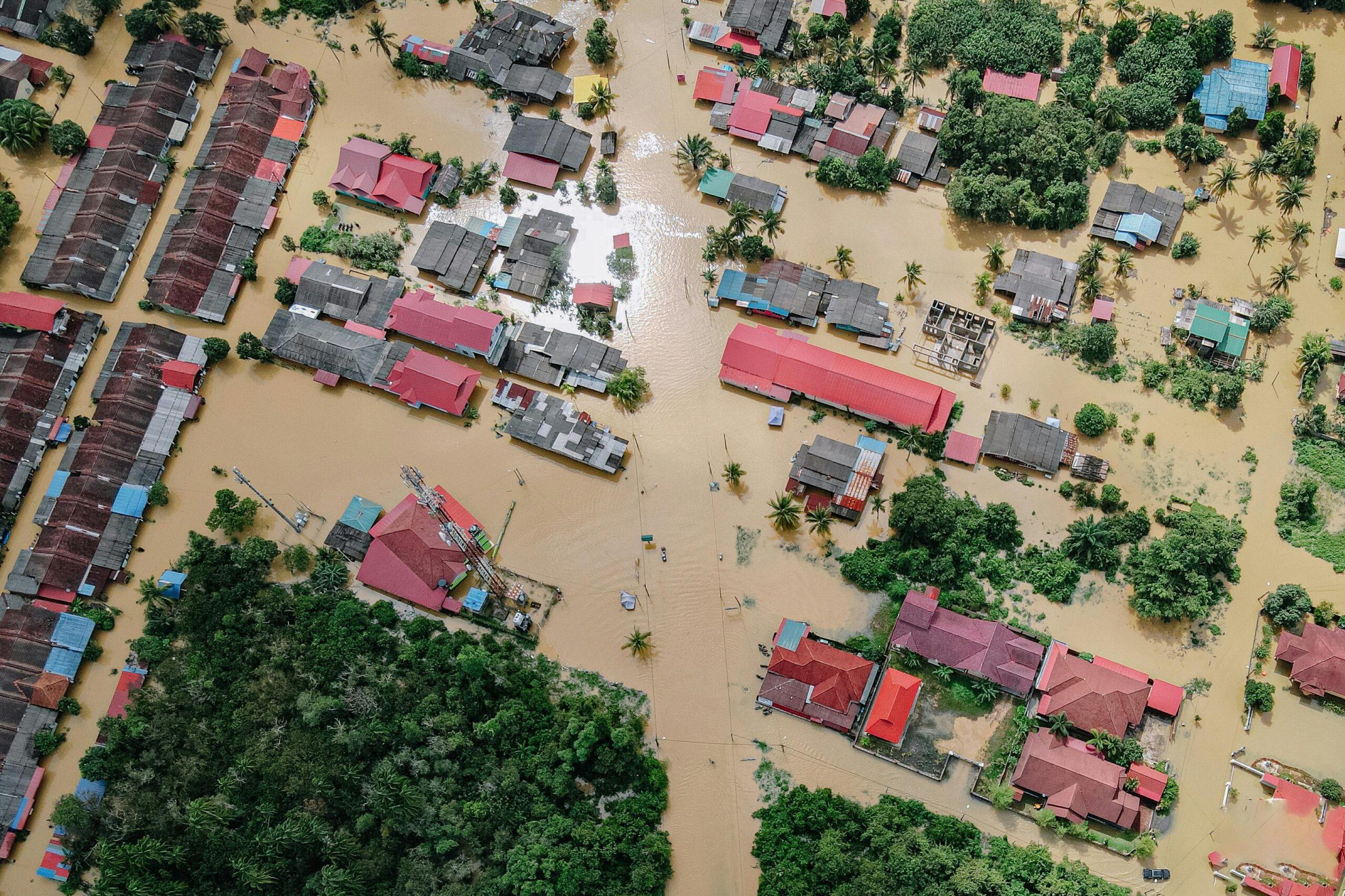
Countries that are signatories to the Paris agreement are required to work in collaboration with each other to fulfill the agreement’s mandate
By ratifying the Paris Agreement individual countries have acknowledged that climate change is real and is primarily caused by humanity’s use of fossil fuels over a long period of time, essentially since societies began to industrialize. The Agreement seeks to limit the use of fossil fuels like Gas, oil and coal, which release greenhouse gases into the atmosphere that contribute to climate change and on the other hand, it mandates the utilization of renewable forms of energy like Solar, wind and Hydro as alternative forms of energy. Though the agreement is not legally enforceable, it is nonetheless legally binding. Countries have pledged to abide by its guidelines, which entail the requirements that countries work to adapt to the new climate conditions and to act quickly to transition from fossil fuels to renewable energy use, mainly to mitigate greenhouse gas emissions and the degree of its impact on the climate. The Paris Agreement implores its signing member nations to work together, as much as possible, in their adaptation and mitigation efforts.
There are several reasons behind the call for the collaboration of nations, first, there is only one planet which every nation shares, so it makes sense that working together collaboratively is better than competing with each other. As the English version of the Text of the Paris agreement put it “climate change is a common concern of humankind.”
The Paris Agreement recognizes that there is a difference in wealth and affordability between the Developed and Developing Countries and therefore was aware that the Developing Countries would find it difficult to finance the mandated adaptation and mitigation requirements, while also realizing that the developed countries are the ones responsible for emitting most of the greenhouse gases into the planet’s atmosphere. Working together therefore would increase trust and diffuse global tensions. The text of the Agreement argues that “Parties [signatories to the Agreement] recognize the importance of support for and international cooperation on adaptation efforts and the importance of taking into account the needs of developing country Parties, especially those that are particularly vulnerable to the adverse effects of climate change.”
In order to avoid a lopsided or unequal adaptation achievements around the world, the text of the Paris Agreement requires more than just basic cooperation among countries. It requires comprehensive cooperation, including “sharing information, good practices, experiences and lessons learned, including, as appropriate, as these relate to science , planning, policies and implementation in relation to adaptation actions.”
An organization assisting the Paris Agreement in its vision of global cooperation in the fight against climate change, is the International Climate Councils Network (ICCN). It was formed in 2021 in order to play a global role in supporting and advising local national “Climate councils (sometimes called “committees” or “commissions”)… bodies officially mandated by government to advise them on climate change policy. Many councils are written into law, through a climate framework law. Others are set up by ministerial decree or long-term contracts. Some councils have the dual mandate to engage the public on climate change.” Its website says important aspects of its work are focused on making climate change conceived as not ‘dividing’ but ‘unifying’, and help making global climate change policies effectively implemented as well as assisting in “climate governance particularly in the global south.” The work of ICCN is clearly aligned with the philosophy of the Paris Agreement, which mandates that the world must work in unison if meaningful success against climate change is to be realized.
————————————————————————————-