Canada and the wildfires
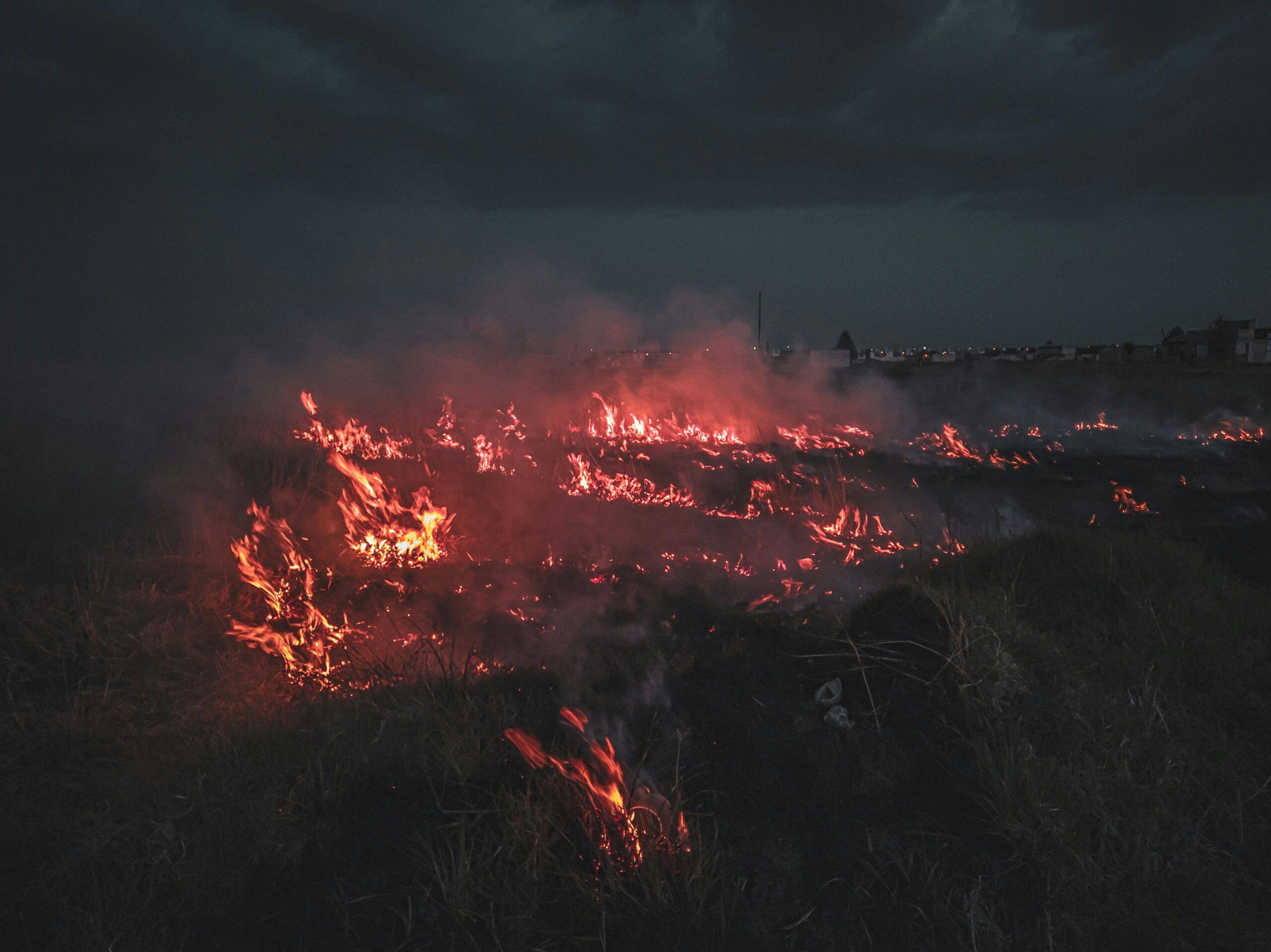
For almost all of the second half of 2023, in what was one of Canada’s hottest years, the country experienced a record breaking amount of large wildfires. Based on a Canadian Broadcasting Corporation, cbc.ca, report, the fires burned more than “18 million hectares, which is two and a half times the previous record set in 1995 and more than six times the average over the past 10 years.” It suggested that some ecosystems may have been lost forever and apart from air quality effects in large areas, the logging industry was also a major victim of the wildfires. The major fires were in the Provinces of Alberta, Saskatchewan and Ontario, but smoke also traveled southward all the way into some parts of the United States.
Though not as severe as in 2023, wildfires in Canada in 2024 were nevertheless still considered to be extreme. In October 2024 cbc.ca, states that “the 2024 wildfire season is on track to be the second worst wildfire season in terms of area burned since 1995.” It claims that in 2024 the wildfires were mainly in Western Canada, centered “in British Columbia, Alberta, Northwest Territories and Saskatchewan,” and that “climate change has contributed to earlier starts and later ends to the wildfires.”
Again in 2025, wildfires were burning out of control in Canada, and this time, across a larger geographical area, as Global News put it, “Manitoba and Saskatchewan account for more than half the area burned so far, but British Columbia, Alberta and Ontario are all well above their 25-year averages.” Usually, the larger the geographical scope of the fire the more people are affected, it goes on to say, “this season has displaced thousands of people and stifled communities across Canada with wildfire smoke.” Global News later states that “climate change, driven by the burning of fossil fuels, has made Canada’s fire season longer and more intense, scientists say. The last three fire seasons are all in the 10 worst on record.”
